Look Good, Feel Good: Gender as Performance Art
Updated: Aug 1
The second of four parts. An essay on reclaiming style as a method of self-authorship.
I had an affirming surgery last spring that allowed me to reevaluate my relationship with what I wore. One of the earliest pieces of wisdom that I received in life from my mom was an adage that we have all heard—if you look good, you feel good. I have a tortured history with how I presented to the world and the correlation between my identity. As a child, my mother was obsessed with treating me like a doll, it was rare that I wasn’t in a gown with tulle, ribbons and bows, and shoes that were a child appropriate version of hers.
Hyper-feminine expression was expected and performed throughout my adolescence with little room for rebuttal. After coming out, I really struggled with how I had historically performed gender and how lesbians were represented in media, thus creating an identity crisis within an identity crisis. I was straight presenting in a world that continued to invalidate my identity. I blamed myself for unwanted advances from men, developed body dysmorphia as a result of my discomfort with being hypersexualized and desirable from the male gaze. I would always lament to my friends how badly I wanted to look the part. If only I looked like a lesbian, maybe the world would see me that way. But what do lesbians look like?
In my mid-twenties, I landed on streetwear—it was not about being perceived as masculine because I have never personally identified with that. I enjoyed the details and overall functionality—pockets that could actually fit items, graphics that were bold and provocative, and silhouettes that finally provided room to move and breathe. It was a wearable statement that gave me some distance from the hyper-sexualization that had made me feel uncomfortable for years. I liked this era, and as much as it became apparent that I was a woman who at the very least would entertain another woman, I still didn’t feel affirmed. It still felt a touch too performative for me—like I was cosplaying someone else’s aesthetic instead of cultivating my own. Though I didn’t quite feel comfortable in my presentation, I relished in the attention.
Then I got hit with another identity crisis—I was turning thirty. I wanted a wardrobe that matched the maturity level and status that I had attained, while being adamant about maintaining the female gaze. I wanted to be seen—not just as queer, but as desirable, by the people whose attention actually spoke to something in me.
After countless weeks, hours, minutes spent researching color theory, fashion trend cycles, and queer aesthetics while also obsessively thinking through what I wanted each outfit to say about me, I stopped to ask myself why it mattered so much. I called back each outfit where I felt my best, and noticed that there wasn’t an obvious connection across each ensemble, my confidence made the outfit. When I wore things that I felt good about, I looked my absolute best. I learned to stop dressing for a specific gaze and start dressing for me. There wasn’t a sale dedicated to lesbians who wanted to appear more queer however, I could trust my instincts on what would look great on me.
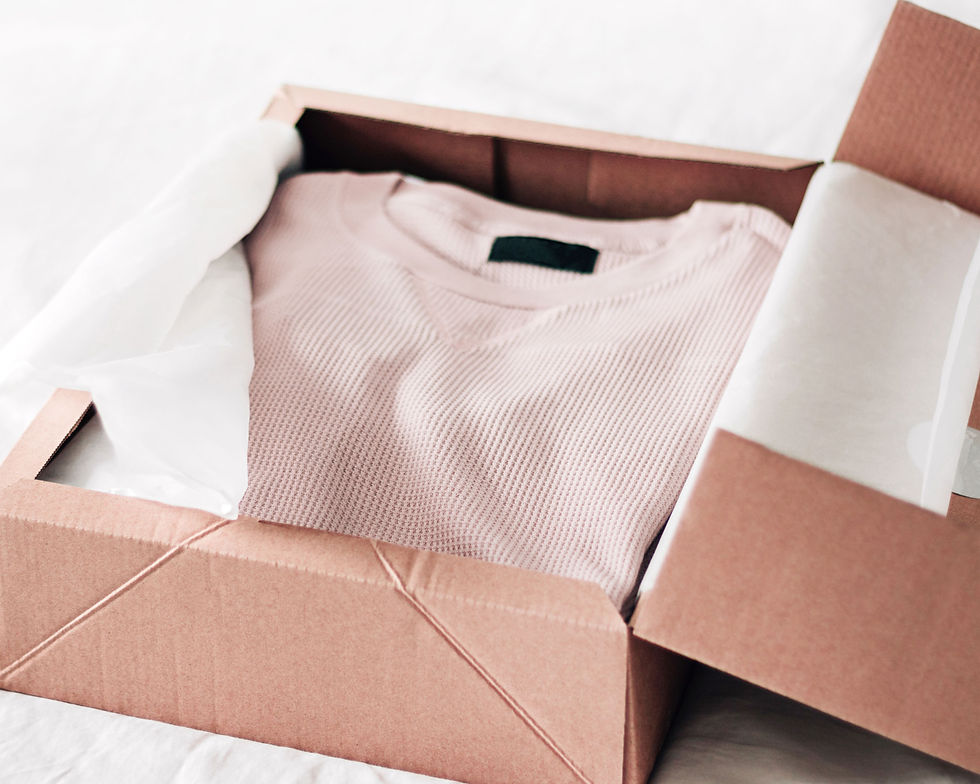
I unpacked the ridiculous notion that hyper-femininity belonged to straight women and reclaimed a part of myself that I felt forced to abandon. At my core, I was a girl who loved pink. I was also moody and drawn to dark tones. There was also the part of me that enjoyed the ruggedness of streetwear. I realized these looks did not have to exist in silos; I could experiment with a style that combined all these elements and felt more bespoke. I contain multitudes, I am not shy about it—it was time for my clothing choices to reflect that. After my surgery, I felt like I got a new lease on life in that I had to buy new clothes anyway, I should experiment a bit. It was also the turn of a new decade, so I felt empowered to be bold.
We have all had that meltdown an hour before we are meant to be somewhere—everything in your closet has been pulled out and is on the bed, you’re digging through piles of items and still not knowing what to wear. After having that experience for years, what I have come to understand is that treating your wardrobe as documentation instead of destination will help you overcome the anxiety associated with getting dressed. Every phase (yes, even the tulle gowns) was a chapter I needed to write before I could read the full story. There are times when I look at old photos and wince, knowing that the version of myself memorialized was not comfortable and likely performing for someone else. However, the clothes that were ethically donated along the way were not mistakes; they were integral data points for an extensive research study.
Once I realized how quietly radical it was to dress for my own gaze instead of for legibility, I became unstoppable. The pressure to signal identity through clothing is very real – it can be a function for safety as well as a community marker – and I am not negating that but, when I finally stopped curating my appearance as a message to the outside world, I reclaimed a subtler, more intimate kind of autonomy. I reclaimed the right to be seen on my own terms, instead of treating every outfit selection as a press release.
As is usually the case, my mother was right. Though, not in the way she intended. Looking good makes you feel great—but it is even better when you get to define what good looks like. Gender has always been a performance, and likely always will be, but now I am more comfortable yelling action instead of taking center stage. I am not dressing to be understood; I am controlling the narrative. My apparel is an act of self-authorship, and pink is here to stay.

Comments